Think being an Investment Banker is a permanent life sentence in a cubicle? That is a huge myth. Many people start this career to build a foundation. Once you finish your analyst years, the finance world actually opens up. You get to choose where your hard-earned skills go next.
An Investment Banker learns things that every big firm wants. You master complex models and high-stakes deals. After two or three years of this grind, you become a hot commodity. You can move into roles that offer better hours, different pay, or more creative freedom.
Why Do You Need an Investment Banker Background?
Firms value the training you get in this role. You learn how to value businesses and handle stress. A top-tier firm gives you a brand name that stays on your resume forever. It acts as a golden ticket for top buy-side roles that are usually closed to others.
The skills you build as an Investment Banker are very transferable. You understand how companies raise cash and how markets react to news. When you interview for a new role, you already speak the language of CEOs and investors. This gives you a massive leg up in any finance field.
Common Exit Paths
- Private Equity: The most popular destination for analysts.
- Hedge Funds: Great for those who love public markets.
- Venture Capital: Perfect if you love startups and growth.
- Corporate Development: A calmer, 9-to-5 life in a big company.
- Entrepreneurship: Using deal skills to build your own firm.
What Are the Most Popular Exit Options?
Private equity is the big prize for most. You switch from advising on deals to actually making the investments. It pays well and keeps you close to the action. If you want a bit more balance, corporate development is a top choice. You still work on M&A, but for one specific company.
Breakdown of Career Paths
| Path | Best For | Lifestyle |
|---|---|---|
| Private Equity | Deal junkies | Intense |
| Hedge Funds | Market lovers | High pressure |
| Corporate Dev | Work-life balance | Balanced |
| Tech Startups | Fast-paced growth | Dynamic |
How Can You Prepare for These Exits?
Start early if you want the best options. Most recruiters start looking at your profile after your first year. Keep your resume ready and polish your technical skills. A good Investment Banker knows that networking with headhunters is just as important as closing a client deal.
Skills to Sharpen Before You Exit
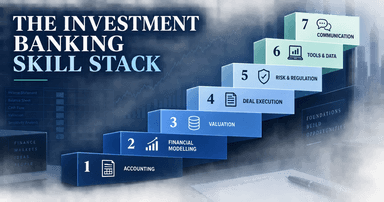
- Advanced financial modeling for quick deal analysis.
- Clear storytelling for your past deal experience.
- Deep industry knowledge in your specific sector.
- A strong network of alumni in your target field.
When Should an Investment Banker Plan a Move?
Timing is everything in this industry. Most people look to leave after two or three years as an analyst. This is the sweet spot. You have enough experience to be useful, but you are still young enough to learn a new role. Staying too long might lock you into a banking career track.
Final Thoughts
The career of an Investment Banker is a stepping stone. It is a tough, fast-paced world that gives you the tools to succeed anywhere in finance.
Decide what you want next and start preparing early. The skills you gain here will stay with you forever, no matter which path you choose to follow later.
Click here to explore our premier investment banking course and accelerate your high-paying finance career today.
Follow us on Instagram and Facebook to stay updated with more investment banking career advice, industry insights, and professional finance tips.
Frequently Asked Questions
1. Is it common for an Investment Banker to leave after three years?
Yes, it is the standard timeline for analysts to move into buy-side roles like private equity or corporate development.
2. Which exit option pays the best?
Private equity and hedge funds typically offer the highest compensation after you leave banking.
3. Can I get a better work-life balance after banking?
Yes, roles in corporate development or corporate finance often provide much better hours than a typical banking job.
4. Do I need an MBA to change careers?
Many professionals use an MBA as a bridge to switch industries, but it is not always mandatory.
5. How can I get professional help with my finance career goals?
Call Meritshot at +91 70425 73911 📞 for professional help with your finance career goals.